- May 26, 2025
- 2:01 pm
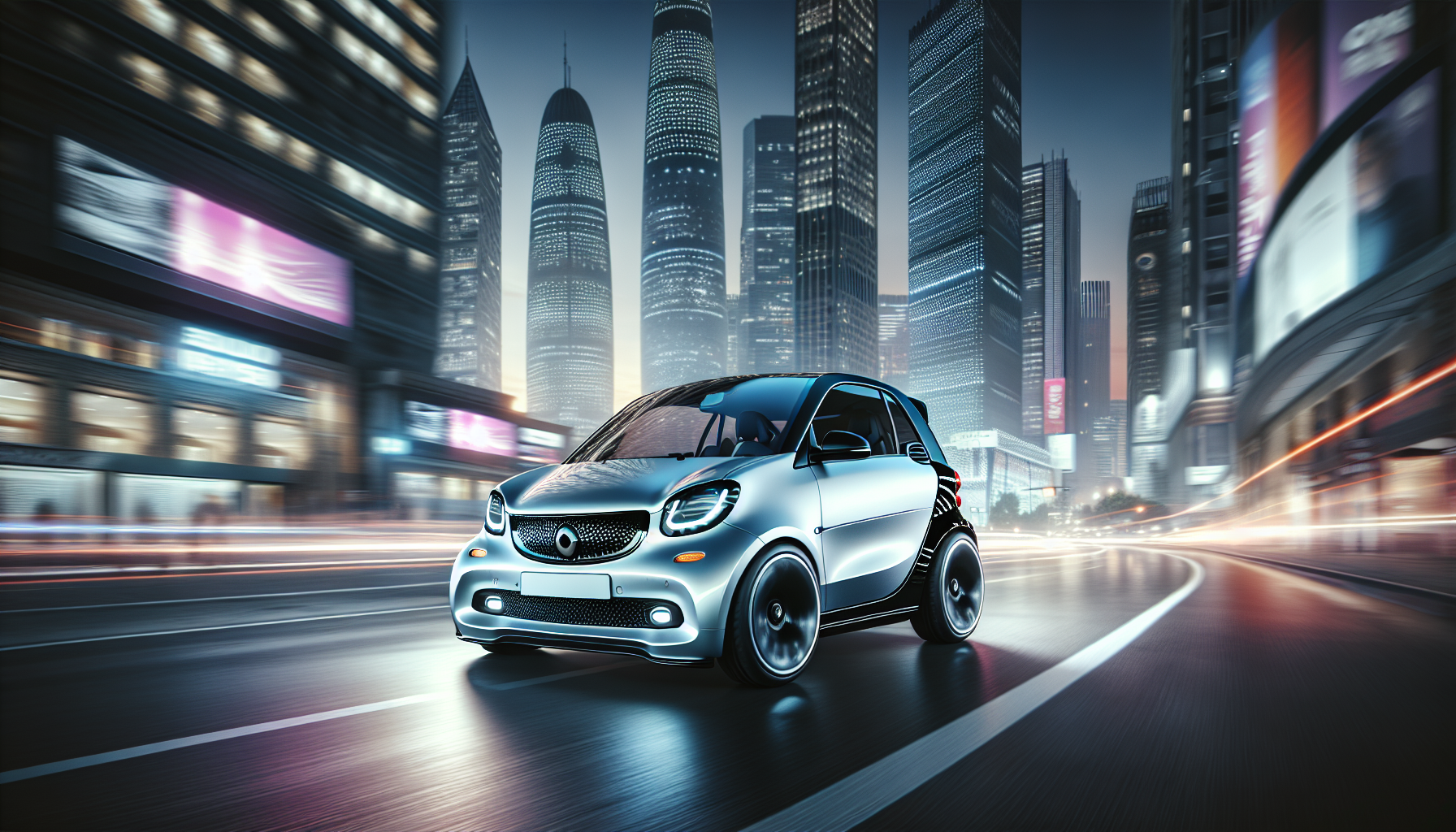
The automotive industry has seen remarkable advancements in technology over the years, leading to the rise of smart cars. These technologically advanced vehicles are changing the way we drive, offering a glimpse into the future of transportation. In this article, we will explore the evolution, benefits, impact, challenges, and future trends of smart cars.
Evolution of Smart Cars
Smart cars have come a long way since their inception, evolving from early prototypes to sophisticated vehicles equipped with cutting-edge technology. The journey of smart cars showcases the rapid progress in the automotive industry.
From early prototypes to advanced technology
Early smart car prototypes focused on basic functionalities such as navigation systems and voice controls. Today, smart cars boast advanced features like autonomous driving, augmented reality dashboards, and predictive maintenance capabilities.
Benefits of Smart Cars
Smart cars offer a plethora of advantages and conveniences for drivers, making the driving experience more efficient and enjoyable. These vehicles are designed to enhance connectivity, improve safety, and provide a seamless driving experience.
Enhanced connectivity and safety features
Smart cars are equipped with advanced connectivity features that allow drivers to stay connected to the internet, access real-time traffic updates, and communicate with other smart devices. Additionally, smart cars prioritize safety by incorporating features like lane-keeping assist, automatic emergency braking, and adaptive cruise control.
Impact on Driving Experience
The integration of artificial intelligence (AI) and automation in smart cars is revolutionizing the driving experience, paving the way for a future where vehicles are more intelligent and responsive than ever before. Smart cars are reshaping the way we interact with our vehicles and the road.
Integration of AI and automation
AI-powered systems in smart cars enable autonomous driving capabilities, predictive maintenance alerts, and personalized driving experiences. Automation features like self-parking and traffic jam assist streamline the driving process and enhance overall convenience.
Challenges and Concerns
Despite the numerous benefits of smart cars, there are challenges and concerns surrounding their adoption. Issues related to data privacy, cybersecurity risks, and regulatory hurdles need to be addressed to ensure the safe and ethical implementation of smart car technology.
Data privacy and cybersecurity risks
As smart cars become more connected and data-driven, the risk of cyber attacks and data breaches increases. Protecting sensitive information and ensuring the security of smart car systems are paramount to safeguarding both drivers and their vehicles.
Future of Smart Cars
Looking ahead, the future of smart cars holds exciting possibilities, including advancements in autonomous driving technology and a focus on sustainability. As smart car technology continues to evolve, we can expect to see more innovative features and solutions that will shape the future of transportation.
Autonomous driving and sustainability
The development of fully autonomous vehicles promises to revolutionize the way we commute and travel. In addition, smart cars are embracing sustainability initiatives by integrating eco-friendly components, reducing emissions, and promoting energy efficiency on the road.
If you are interested in experiencing the benefits of smart car technology firsthand, contact CARNOMIC LLC at support@gocarnomic.com or 6618294553. With a wide selection of luxury vehicles, electric and hybrid models, and certified pre-owned cars, CARNOMIC LLC is your go-to destination for the future of driving.